
Why Outages Hit Banks, Airlines, Apple and the NSA in One Week
Four unrelated system failures in four business days left officials blaming routine software patches rather than hackers, and that should worry anyone whose business runs on someone else's servers.
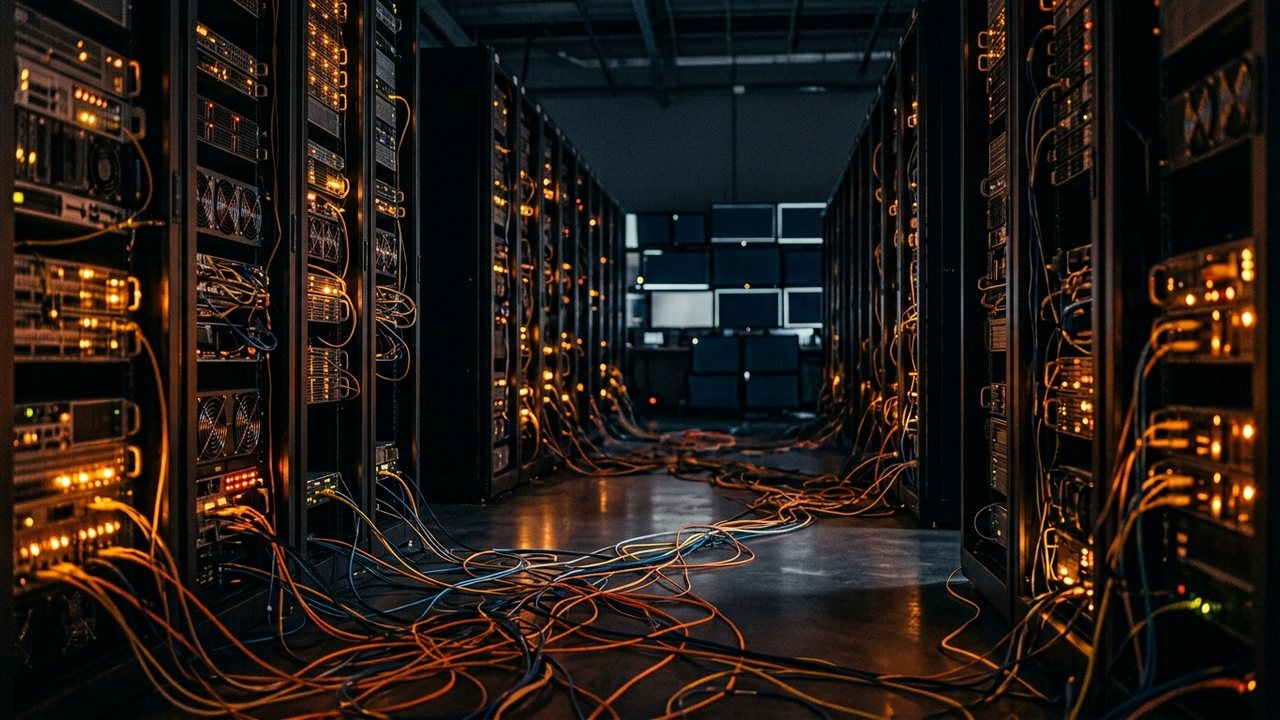
Four outages in four straight business days hit some of the biggest names in the country this week: JPMorgan Chase, United Airlines, Apple and the National Security Agency all had systems go down, right on the heels of a Microsoft Outlook failure and an FAA ground stop the week before. Director of National Intelligence Jay Clayton went on CNBC's Closing Bell Tuesday and said flatly that none of it was a cyberattack and none of it was a coordinated effort by a nation state. We've looked very closely, he said. The official explanation is routine maintenance and software patching gone wrong, not hackers. But when outages hit banks, airlines, Apple and the NSA in the same stretch, people are right to ask what is actually holding their daily life together.
What Actually Broke, Four Different Times
Microsoft's Outlook problems on Thursday wrecked email and scheduling for businesses everywhere, and Microsoft later said it traced back to an undetected bug that had been sitting in its systems since July. On Friday the FAA grounded flights after a router upgrade in southern Arkansas, overseen by contractor L3Harris Technologies, overwhelmed the agency's telecommunications network. The agency is still working out the root cause. On Monday, JPMorgan Chase blamed longer customer transaction times on a software bug in on-premise hardware, and United Airlines had a systemwide computer outage that briefly delayed departures. On Tuesday, the NSA's internal communications went down, called scheduled routine maintenance, and Apple products went down or glitched because of what the company called an internal update.
Tom Hegel, research head at SentinelOne, called it the weird teenage phase of technology, where companies are patching faster than ever but haven't matured enough to do it without breaking things. Raj Rajamani, CEO of JetStream Security, put it more bluntly: when Microsoft goes down, the whole world comes to a standstill.
The IT Staffing Squeeze Behind the Patching
Sam Rubin of Palo Alto Networks' Unit 42 said businesses are patching more software vulnerabilities than ever and updating old systems to get ahead of attacks like the one that hit Hugging Face, and that's leaving IT and security teams strained and scrambling to keep up. That's a jobs story as much as a tech story. Every company racing to modernize its systems before the next incident needs more people who can do that work, and those people are being asked to move faster than the testing cycles that used to catch bugs like Microsoft's. Meanwhile the workers who don't touch the patching at all, the gate agents, bank tellers and warehouse staff, are the ones who eat the downtime when it goes wrong. Their shift doesn't stop because the software did.
Why Your Business Interruption Policy Probably Wouldn't Pay for This
In my insurance agency, the question I'd get after a week like this is whether a business interruption claim covers losses from someone else's outage. Most standard business interruption coverage is attached to a property policy and only triggers when there's actual physical damage to your location, a fire, a storm, something you can point to. A vendor's software bug taking down your point of sale or your email for a day usually doesn't qualify unless you specifically bought a cyber policy with a system failure provision, or a contingent business interruption endorsement that names the outside providers you depend on. Most small businesses never ask for that language because they assume any lost revenue is covered. It isn't, unless the policy says so.
What a Vendor Outage Costs the Business Owner Who Isn't JPMorgan
United's outage made the rounds on social media the same way the others did.
JPMorgan and United have the staff and the backup systems to absorb a bad day. A contractor running payments, scheduling and email through one platform does not. If that platform goes down for a day, the revenue from that day is usually just gone, there's no claim to file and no guarantee it comes back. The lesson from a week like this isn't that your business will get hacked. It's that depending on one vendor for everything leaves you with no plan when that vendor has a bad day, and bad days are clearly becoming more common, not less.
Ask Your Vendors and Your Agent What Happens When the System Goes Down
Call whoever handles your business coverage and ask directly whether your policy pays out for a vendor outage, a ransomware event, or just a bug like Microsoft's, not just a break-in or a fire. If the answer is no, price out a cyber endorsement before you need it. On the operations side, know which of your tools you cannot run your business without for even a day, payments, scheduling, communication, and have a manual fallback for each one, even something as basic as a phone number and a paper ledger. The four outages this week weren't attacks, but they proved the same point an attack would have: when the system goes down, the plan you had for that moment is the only thing that matters.
- CNBC: Widespread outages hit banks, air travel, the NSA and Apple, disrupting seemingly everything
- NPR: Air travel, Microsoft, banking: Why are our IT systems failing?
- ZeroHedge: NSA, Apple, Equinor Hit By Disruptions; FBI Warns Of State-Aligned Hackers As Feds Test Emergency System
- @CNBC on X, November 17, 2026
- @LionSunMovement on X, November 17, 2026